



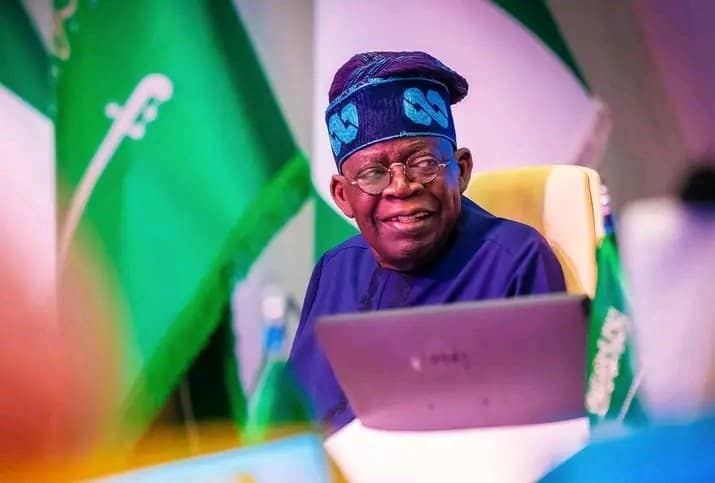
Nigerian students studying in Morocco under a Federal Government scholarship programme have accused the administration of President Bola Tinubu of neglecting them, leaving many to face severe financial hardship, hunger, unpaid rent, and unmet medical needs.
The situation drew widespread public attention after a video shared online by social media activist Martins Otse, popularly known as VeryDarkMan, showed several stranded Nigerian scholars recounting their struggles in Morocco. In the footage, the students said they had received little or no financial support for years, despite being beneficiaries of a government-sponsored scholarship.
During the interaction, VeryDarkMan criticised the Federal Government, alleging that the students were abandoned after being sent abroad to study under official agreements. He stated that many of the scholars were unemployed, financially distressed, and unable to meet basic living needs.
One of the students, a final-year medical student at a Moroccan university, said he had spent several years studying medicine under the scholarship scheme but was left without support alongside others.
“We were given scholarships to train as doctors and return home to contribute to Nigeria’s healthcare system, but we have been abandoned here,” he said.
The students explained that the scholarship agreement between Nigeria and Morocco does not allow beneficiaries to work while studying. As a result, many said they were unable to earn a living legally after their stipends stopped, leaving them stranded and dependent on help.
Several scholars said they had gone between two and five years without consistent funding. One student, who was seen using crutches, narrated how he secretly took up work out of desperation and later suffered a serious accident.
“I arrived in Morocco healthy,” he said. “But when the money stopped, I had to look for something to survive. On my way back from work, I had an accident and broke my thigh. I couldn’t pay my hospital bills, and up till now, I haven’t been able to.”
The students also spoke about the death of a fellow scholar, Bashir Malami, a Bilateral Education Agreement (BEA) beneficiary from the 2019/2020 academic session who studied Electrical Engineering at École Supérieure de Technologie de Salé. According to them, Malami reportedly avoided seeking medical care for tuberculosis because he could not afford hospital expenses, and his condition worsened until he died.
Another student said, “He kept the illness to himself because he didn’t have money. Even though treatment is meant to be free here, he didn’t get help early enough.”
The scholars alleged that the Nigerian government had promised a monthly stipend of $500 and paid for their initial travel to Morocco. They also claimed that their scholarship letters were signed on behalf of the Federal Government by the current Minister of Education, Dr. Maruf Tunji Alausa.
According to them, officials allegedly discouraged them from speaking publicly about their situation, warning that doing so would “embarrass the government.”
One student questioned the claim, saying, “What is more embarrassing than being evicted because your government failed to pay your rent?”
Another scholar said his landlord complained that while Nigeria is seen as Africa’s richest country, it had failed to meet its obligations to its students, unlike other African countries.
“He said students from countries like Niger are not owing, but Nigerians owe more than 12 months’ rent,” the student said, adding that eviction threats were imminent.
Some students said they had suspended their studies to take up informal jobs or volunteer work to survive. One student revealed he worked during the Africa Cup of Nations to earn money for food and shelter.
“I don’t have anyone to call back home. My father is late,” he said.
Others claimed that Nigerian students now face discrimination in securing accommodation because landlords are reluctant to rent to them due to Nigeria’s reputation for unpaid rent under the scholarship scheme.
A nursing student also said she could not attend clinical training because she lacked transport money and could not afford basic materials.
“We can’t even get to the hospital for training,” she said. “The Nigerian government should please come to our aid.”
The students further disclosed that some scholars had been expelled from their schools, while others faced serious medical emergencies. One such case involved a student identified as Umar, who required urgent surgery for appendicitis.
“The hospital refused treatment until payment was made,” a student said. “The Nigerian embassy had to borrow $1,000 for the surgery. Umar recently lost one of his parents and has no way to repay the money.”
The scholars appealed to the Federal Government and relevant authorities to urgently intervene, warning that more lives and academic careers could be jeopardised if the situation persists.
As of the time of reporting, the Nigerian government had not issued an official response to the allegations.
- Latest
- Trending

