




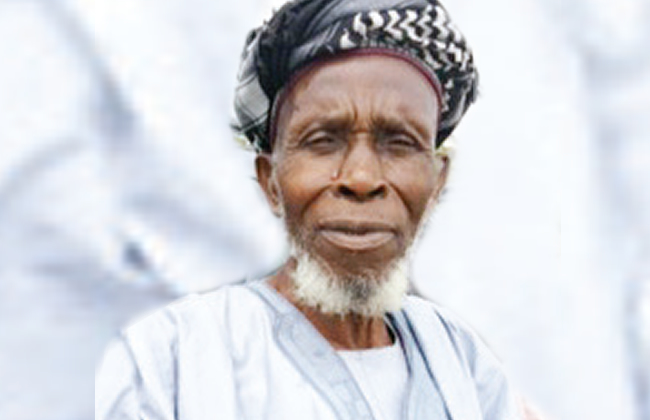
Abdullahi Abubakar, the revered Muslim cleric who gained global admiration for protecting Christians during the 2018 violence in Plateau State, has died at the age of 92.
Abubakar was the Chief Imam of Nghar village in Barkin Ladi Local Government Area. He became widely known after offering sanctuary to hundreds of people fleeing coordinated attacks by armed assailants in June 2018. At the height of the crisis, he opened both his mosque and his personal residence to those in danger, sheltering at least 262 Christians and refusing demands to hand them over to the attackers.
The attacks, which occurred on June 23, 2018, affected several communities in Barkin Ladi, claiming many lives and forcing residents to flee in fear. As violence spread, Abubakar stood firm, protecting those who sought refuge with him until calm was restored.
His actions drew national and international recognition. The Federal Government nominated him for the national honour of Member of the Order of the Niger (MON), and he was personally acknowledged by former President Muhammadu Buhari. In 2019, the United States government presented him with the International Religious Freedom Award, citing his courage and willingness to risk his life to save others.
Speaking in interviews after the attacks, Abubakar explained that his decision was guided by compassion and a deep respect for human life, insisting that protecting the vulnerable was a moral duty that transcended religious boundaries.
His passing has been widely mourned as the loss of a powerful symbol of interfaith harmony in a region often affected by communal tensions.
Reacting to the news, Plateau State Governor Caleb Mutfwang described the late cleric as a beacon of peace, unity, and selfless leadership. In a condolence message, the governor noted that Abubakar’s commitment to protecting others and promoting religious coexistence earned him respect far beyond his community.
He added that the cleric’s death leaves a significant void in Barkin Ladi and urged residents to uphold the values of compassion, tolerance, and unity that Abubakar represented throughout his life.

