




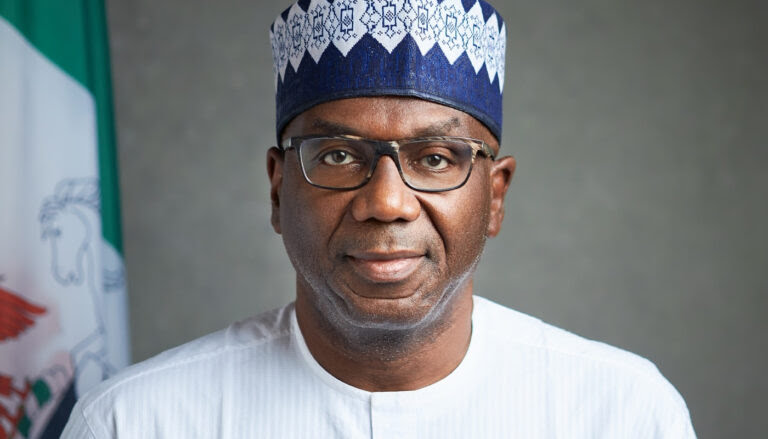
Kwara State Governor, AbdulRahman AbdulRazaq, has rejected claims circulating in a viral video in which suspected bandits alleged that they were sponsored by the state government.
The governor made this known on Wednesday while declaring open the Kwara State Police Security Summit in Ilorin. He described the allegation as false and without any factual basis.
According to him, the Kwara State Government has never sheltered, financed, or offered protection to bandits or any criminal group. He stressed that security remains a central focus of his administration.
Represented at the event by his Special Adviser and Counsellor, Alhaji Sa’adudeen Salahu, AbdulRazaq said the government had consistently supported security agencies in their efforts to curb crime and maintain public safety.
He noted that the administration had created an enabling environment for peaceful coexistence and had taken deliberate steps to address the underlying causes of insecurity, particularly youth unemployment.
The governor explained that about 10,000 youths had been provided with employment opportunities to reduce idleness and discourage involvement in criminal activities. He reaffirmed the state’s commitment to sustained collaboration with security agencies to combat crime across Kwara.
AbdulRazaq also commended security operatives in the state for their dedication and thanked President Bola Tinubu and the Office of the National Security Adviser for prioritising the protection of lives and property in Kwara and nationwide. He called for stronger cooperation among government institutions, security agencies, and local communities to enhance effective policing and ensure lasting peace.
Earlier, the Commissioner of Police in Kwara State, Adekimi Ojo, said the security summit was organised to unite key stakeholders in addressing emerging security threats through closer police–community collaboration. He explained that the forum was designed to identify security challenges, examine their causes and consequences, and develop both short- and long-term solutions using community policing strategies.
Ojo acknowledged that banditry and kidnapping had affected some parts of the state, including Ifelodun, Irepodun, Edu, Patigi, Baruten, Kaiama, Ekiti, and Isin local government areas. He lamented the loss of lives, displacement of families, destruction of property, and disruption of development, adding that Kwara deserved to remain a safe and peaceful state.
Delivering a lecture at the summit, a security expert and retired Assistant Inspector General of Police, Adegboye Olafimihan, said security should not be viewed as the sole responsibility of government. He identified banditry, kidnapping, drug abuse, farmer–herder conflicts, and natural disasters as major contributors to insecurity in the country, calling for improved policing methods and effective threat management.
Olafimihan also warned against ethnic profiling and urged residents to promote unity and peaceful coexistence. He emphasised the importance of strengthening community policing by actively involving citizens and local communities in intelligence gathering to improve security outcomes.
The summit featured interactive sessions with traditional rulers, youth groups, religious bodies, and other security stakeholders, who shared practical suggestions on tackling crime and criminality across Kwara State.

