




A coalition of human rights organisations, faith-based groups, and civil society actors has raised alarm over the recurring pattern of attacks during the Christmas season in Northern Nigeria and the Middle Belt. The groups warned that without decisive government intervention, fresh mass killings and widespread displacement could occur during the 2025 festive period.
In a joint statement released on Thursday, the coalition cited previous atrocities, including the 2010 twin bombings at Ungwan Rukuba and Gada Biyu in Jos, Plateau State, and the 2011 attack on St. Theresa’s Catholic Church in Madalla, Niger State. The statement highlighted that these events triggered long-term insecurity and forced thousands from their homes.
The statement also recalled the 2016 Christmas Eve attack on Goska community in Jema’a, Southern Kaduna, which claimed about 20 lives and displaced hundreds. Violence has reportedly intensified in recent years. During the 2023 festive season, coordinated assaults in Bokkos and Barkin Ladi local government areas of Plateau State left over 212 people dead and displaced more than 10,000. In 2024, 46 worshippers were killed in Anwase, Gboko, Benue State, forcing an additional 6,800 residents into displacement camps, bringing the state’s internally displaced population to over 150,000.
The coalition expressed concern over new threats ahead of Christmas 2025, citing the recent abduction of 20 worshippers from an ECWA church in Ayetorokiri, Bunu-Kabba, Kogi State, as evidence that attacks on faith-based communities remain a serious risk.
“This recurring pattern of violence targeting religious communities during the Christmas season must be addressed to prevent further mass atrocities and the intersection of faith-based insecurity with domestic terrorism,” the statement said.
The groups urged the Nigerian government to deploy adequate security forces to protect communities, churches, and travellers, while ensuring the welfare of internally displaced persons (IDPs) and affected communities across the Middle Belt and other regions. They emphasized the need to tackle the broader challenges facing IDPs, including loss of homes and livelihoods, lack of documentation, and vulnerability to further attacks.
The coalition also called on the National and State Emergency Management Agencies (NEMA and SEMA) to provide essential support, including food, water, shelter, and security for displaced persons during the festive period. They stressed the importance of facilitating safe, voluntary, and dignified resettlement or return of displaced communities, involving them in decision-making processes that affect their lives.
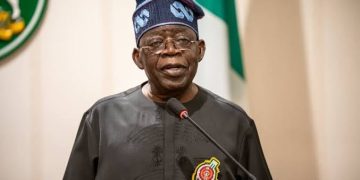
In a direct appeal, the coalition urged President Bola Tinubu to ratify the African Union Convention on the Protection and Assistance of Internally Displaced Persons in Africa (the Kampala Convention), calling it crucial for a coordinated, rights-based approach to Nigeria’s displacement crisis.
The statement was signed by organizations including the House of Justice, Global Rights, Atrocities Watch Africa, The Kukah Centre, Open Bar Initiative, Middle Belt Times, and prominent individuals such as Prof. Chidi Anselm Odinkalu, Gloria Mabeiam Ballason, Abiodun Baiyewu, and Rt. Hon. Cephas Dyako.
Nigeria continues to host one of Africa’s largest internally displaced populations, largely due to insurgency, banditry, and communal violence. Rights groups have repeatedly warned that seasonal spikes in attacks, particularly around religious holidays, reflect significant lapses in security planning and civilian protection.
- Latest
- Trending

