




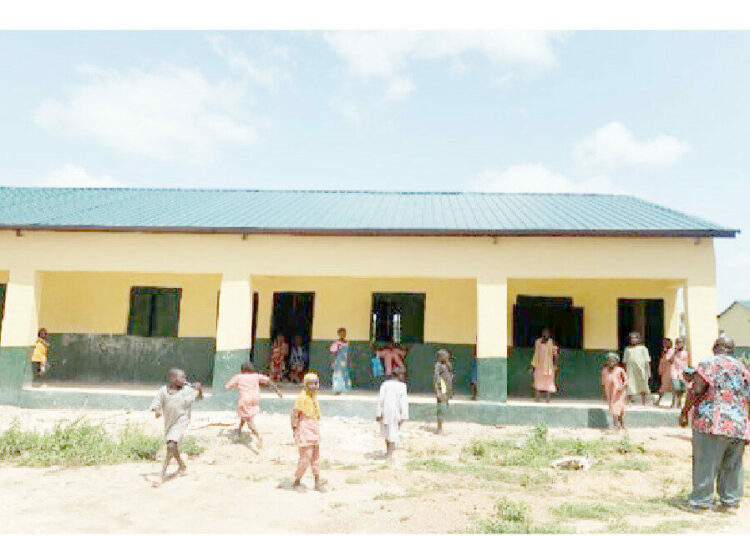
Kebbi and Kwara states have begun reopening schools in selected locations, signaling a careful return to classroom learning after prolonged closures caused by bandit attacks and rising insecurity.
In Kebbi State, the government has authorised the immediate reopening of some primary and secondary schools situated in major towns and urban centres. Schools in rural communities will remain closed for now, pending further improvements in the security situation.
The decision follows the November attack on Government Girls’ Comprehensive Secondary School in Maga, Danko/Wasagu Local Government Area, where 25 students were abducted and a security guard was killed, prompting the closure of schools across the state.
Speaking in Birnin Kebbi, the Commissioner for Basic and Secondary Education, Dr. Halimatu Bande, said the resumption would take effect from Monday, January 5, 2026. She explained that the phased approach was adopted to safeguard students and teachers while gradually restoring academic activities.
According to her, only schools located within major cities and towns are permitted to reopen at this stage, while those in outlying areas will resume later. She instructed education officials to ensure strict compliance and appealed to parents to send their children back to school promptly.
Dr. Bande also commended Governor Nasir Idris for his commitment to education and his efforts to provide a secure and supportive learning environment across the state.
In Kwara State, the Ministry of Education and Human Capital Development has similarly ordered the resumption of academic activities in schools statewide, effective Monday. The directive allows exceptions only for areas still under special security monitoring.
A statement issued by the ministry quoted the Commissioner for Education, Dr. Lawal Olohungbebe, as saying that normal learning would return to all affected areas once security conditions improve.
Schools in parts of Kwara had been shut in November 2025 across several local government areas, including Ifelodun, Ekiti, Irepodun, Isin and Oke Ero, following increased bandit attacks. The closures were intended to protect pupils and teachers from potential harm.
To ensure learning continues for students in areas where schools remain closed, the Kwara State government has launched a radio-based education programme in partnership with UNICEF and the Nigeria Learning Passport. The lessons, which begin on January 5, will air on the state-owned Midland FM, with plans to expand to additional stations.
Officials say the initiative is designed to prevent learning disruption for pupils whose schooling is still affected by security challenges.
- Latest
- Trending

