



A senior media aide to President Bola Tinubu, Temitope Ajayi, has stirred public discussion after asserting that the dominance once associated with the historic Oyo Empire no longer applies in modern Yoruba society.
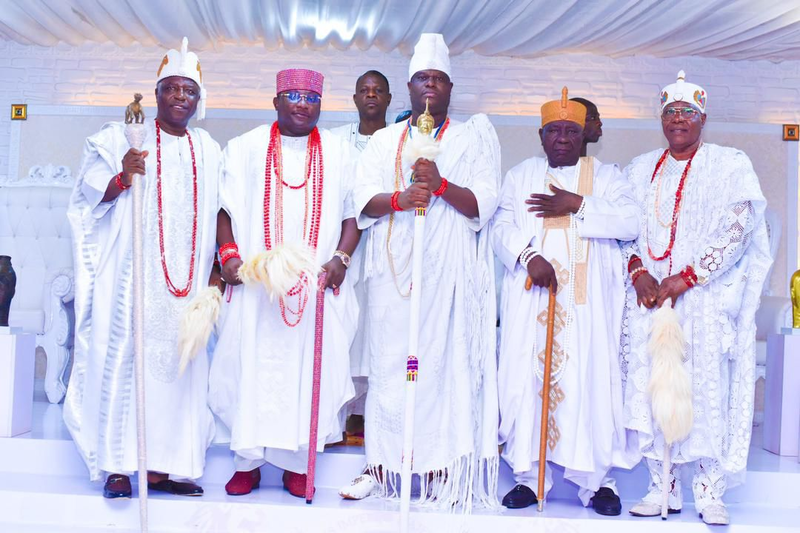
Ajayi, who serves as Senior Special Assistant to the President on Media and Publicity, stated that no Yoruba monarch holds superiority over others in contemporary times. He made the comments in a post shared on X (formerly Twitter) on Saturday, alongside a photograph of the Alaafin of Oyo, Oba Abimbola Akeem Owoade.
According to Ajayi, the age of empires has ended globally, and historical influence should not be mistaken for present-day authority. He compared the situation to former world powers such as Rome and the United Kingdom, noting that despite their past imperial reach, they no longer exercise control over former territories.
He stressed that the Oyo Empire belongs strictly to history and argued that the entire Yoruba region was never under the sole control of the Alaafin. Ajayi maintained that cultural heritage should be respected without projecting outdated hierarchies onto modern governance and traditional leadership.
The presidential aide further called on traditional rulers across the South-West to adopt a cooperative approach to leadership that reflects current realities. He said unity, mutual respect, and collaboration among monarchs would better promote peace, development, and the preservation of Yoruba culture.
Ajayi’s remarks have generated mixed reactions online, especially amid ongoing debates about hierarchy and influence among Yoruba traditional institutions. While some historians and cultural commentators continue to view the Alaafin’s stool as historically prominent, others argue that no single throne can claim overarching authority over all Yoruba kingdoms. This group often points to Ile-Ife as the spiritual birthplace of the Yoruba people and highlights the role of the Ooni of Ife in that context.
The discussion has once again brought long-standing cultural and historical perspectives into the spotlight, reflecting differing views on tradition, identity, and leadership in modern Yorubaland.

