



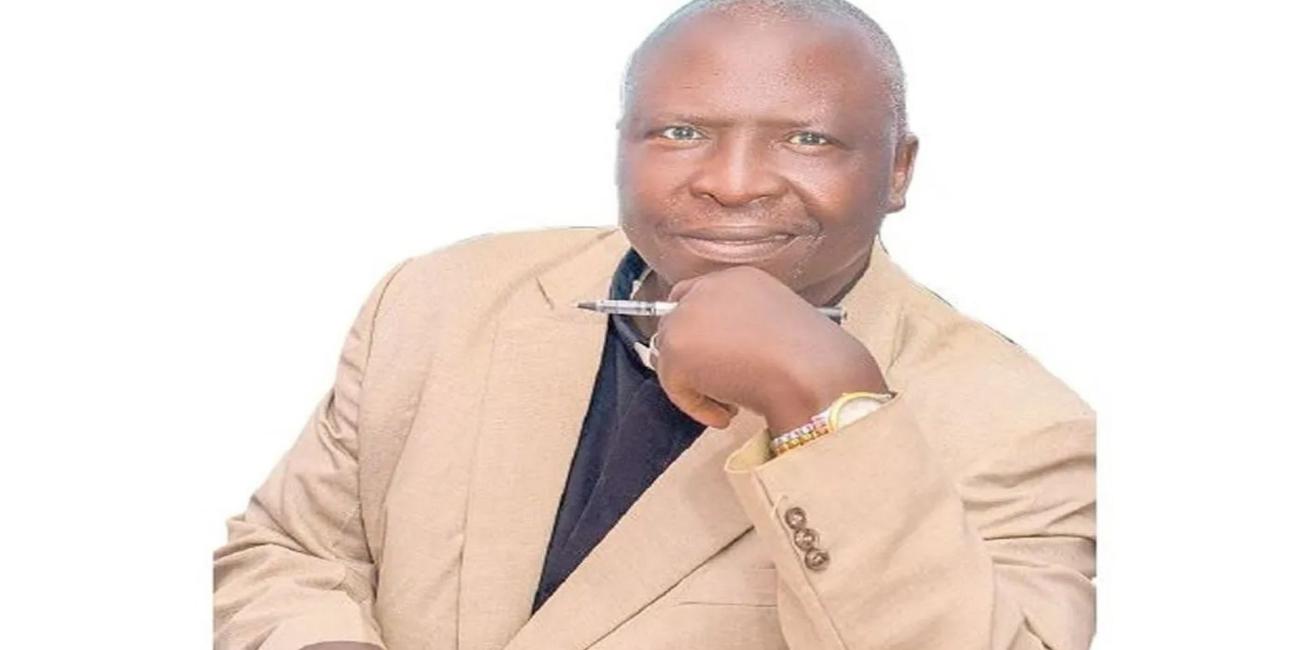
Nigerian cleric and human rights advocate, Rev. Ezekiel Dachomo, has assured displaced and persecuted Christian communities across the country that support is forthcoming, following a recent visit to Benue State by a delegation of United States lawmakers.
Dachomo, who leads the Church of Christ in Nations (COCIN) and is widely known for documenting violent attacks and mass burials in Nigeria’s Middle Belt, spoke after comments by U.S. Congressman Riley M. Moore of West Virginia, who was part of the visiting delegation.
The pastor said years of speaking out against violence and injustice had attracted criticism and resistance, but the renewed international attention showed that the truth could no longer be ignored.
According to him, attempts to silence voices raising concerns about the killings have failed, noting that truth will always prevail despite intimidation or censorship. He expressed confidence that the latest developments marked a turning point for affected communities, stressing that “help is on the way.”
The U.S. delegation’s visit to Benue included meetings with Catholic Bishops Wilfred Anagbe and Stephen Dugu, the Tor Tiv, and several internally displaced persons. Survivors reportedly shared accounts of repeated attacks on their communities, including harrowing testimonies of families wiped out during violent assaults.
In a post shared after the visit, Congressman Moore described the stories he heard as deeply distressing, recounting the experience of a woman who witnessed the killing of five of her children. He characterised the violence as part of a sustained and brutal campaign targeting vulnerable communities.
Moore stated that the visit left a lasting impact on him and confirmed the gravity of the crisis. He added that he is preparing a detailed report for top U.S. government officials, outlining recommendations for joint action with Nigerian authorities to protect at-risk populations and address ongoing security threats.
Reacting to these developments, Dachomo said the remarks by the U.S. lawmaker, alongside interviews granted to American media, reflected growing global awareness of the violence in Nigeria’s Middle Belt and renewed hope for meaningful intervention.

