



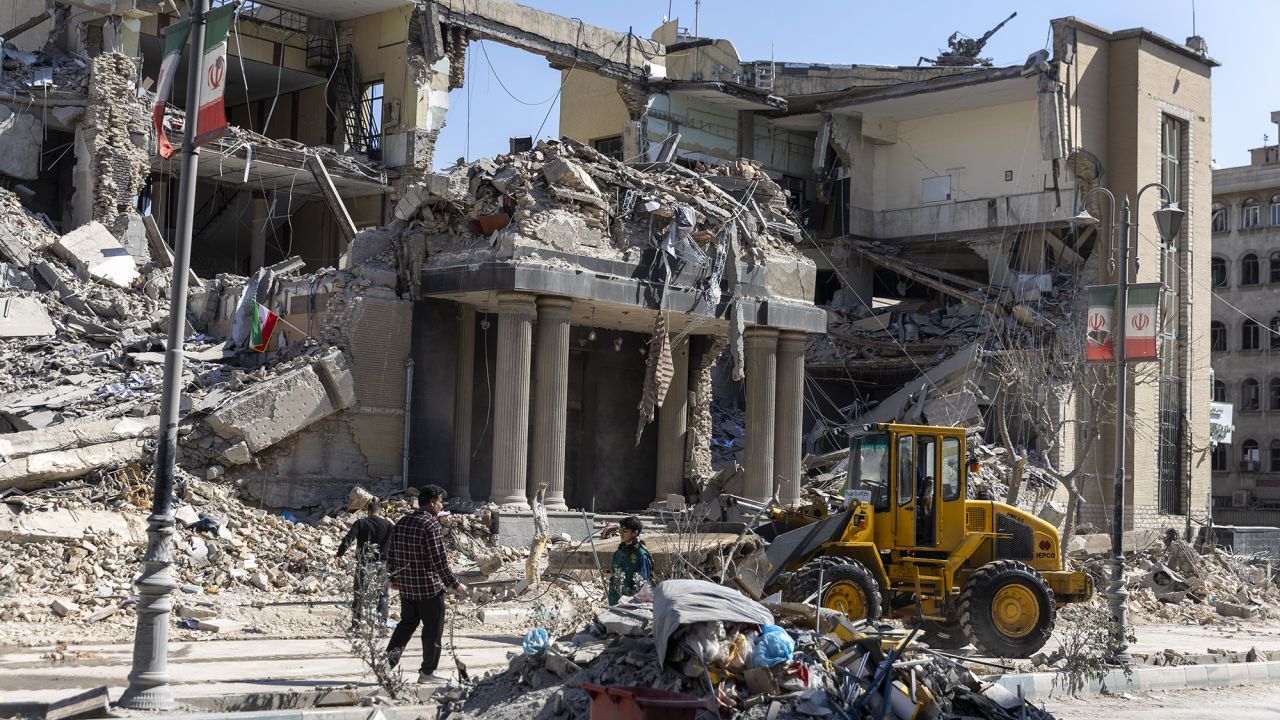
The United States has signaled an escalation in its military campaign against Iran, with senior officials confirming that operations will extend further into Iranian territory as the conflict spreads across the Middle East.
Chairman of the Joint Chiefs of Staff, Gen. Dan Caine, said US forces would begin targeting areas “progressively deeper” inside Iran after establishing what he described as localized air superiority along parts of the southern coast. Defense Secretary Pete Hegseth cautioned that the campaign remains in its early stages but stressed that military actions would intensify rather than slow down.
The war, launched on February 28 through joint US-Israeli strikes, has already resulted in significant casualties and regional instability. Iranian state media previously confirmed the death of Supreme Leader Ali Khamenei during the opening phase of the bombardment.
Naval and Missile Developments
Hegseth announced that a US submarine sank an Iranian warship in international waters, describing it as the first sinking of an enemy vessel by torpedo since World War II. Meanwhile, Turkish officials said NATO air defense systems intercepted an Iranian missile that had traveled through Iraqi and Syrian airspace toward Turkey.
Iran and the Lebanese group Hezbollah have also reportedly launched coordinated attacks on Israel. According to the Israel Defense Forces, missiles and projectiles triggered air raid sirens in Jerusalem and Tel Aviv, though no immediate casualties were reported.
Rising Casualties and School Strike Investigation
More than 1,000 people have been killed in Iran since the fighting began, according to the US-based Human Rights Activists News Agency.
The Pentagon said it is reviewing reports of a strike on a girls’ school in the southern city of Minab that Iranian media claim killed over 100 people, many of them children. Hegseth stated that US forces do not intentionally target civilian sites and that the incident is under investigation.
Strategic Waterways and Global Concerns
China has urged all parties to halt military operations, warning that instability threatens global trade and energy supplies. The Strait of Hormuz, a vital oil transit route partially controlled by Iran, has faced disruptions since hostilities began. A significant share of global oil shipments passes through the narrow waterway.
US President Donald Trump said Washington may consider escorting commercial vessels through the strait, though shipping experts have questioned the practicality and risks of such an operation.
Regional and International Impact
The United States has closed several embassies in the region and advised citizens to leave affected areas. The United Arab Emirates announced the creation of secure air corridors to assist evacuation efforts.
In Europe, German Chancellor Friedrich Merz expressed concern about the long-term consequences of the campaign, noting uncertainty about Iran’s political future if its current leadership structure collapses.
As the conflict enters its fifth day, military activity continues across multiple fronts, raising fears of a broader regional war with global economic and security implications.

