



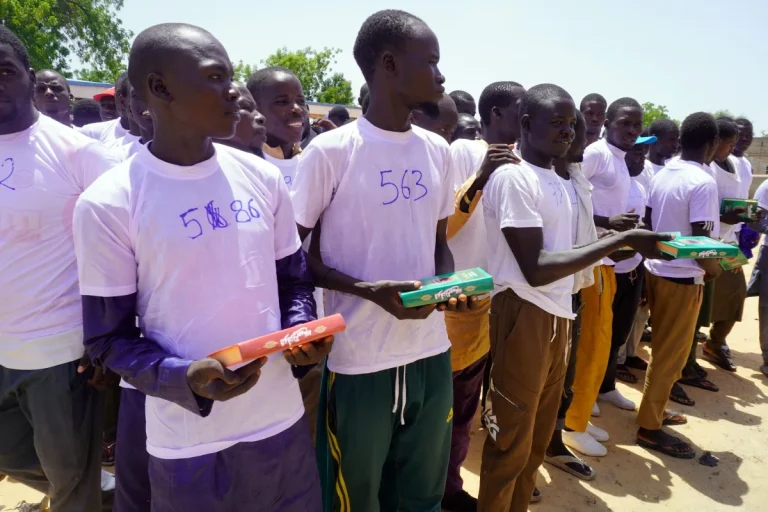
Hundreds of former insurgents in Borno State are attempting to rebuild their lives after completing a government-backed rehabilitation and vocational training programme aimed at reducing the impact of insurgency in Nigeria’s North-East.
Among the beneficiaries is 32-year-old Ibrahim Mohammed, who said he decided to abandon armed conflict after receiving an emotional video message from his mother urging him to return home and reunite with his family.
Mohammed was one of approximately 720 former fighters who recently graduated from the programme in Maiduguri, the Borno State capital. During the graduation ceremony, participants pledged not to return to extremist groups and received support to begin a new chapter of their lives.
Nigeria’s insurgency, which began in 2009 with the emergence of Boko Haram, has claimed thousands of lives and displaced millions of people across the region. In response, authorities have combined military operations with rehabilitation initiatives designed to encourage defections from terrorist groups.
The programme provides vocational training in various trades, including tailoring, automobile repairs, and other practical skills intended to help participants earn a lawful living after reintegration into society.
Several former fighters admitted that their experiences within the insurgent groups differed significantly from the ideals they initially believed they were pursuing. Some said they eventually realised that the violence carried out against civilians contradicted the religious principles they thought they were defending.
Officials revealed that nearly 10,000 individuals, including women and children affected by the conflict, have participated in the rehabilitation programme since its launch in 2021.
For many participants, the initiative represents an opportunity to reconnect with their communities and provide a better future for their families. Some women who spent years in captivity or insurgent-controlled areas expressed hope that their children would have access to education and opportunities that were previously unavailable to them.
Despite the programme’s achievements, some security experts have raised concerns about the reintegration process. Critics argue that granting rehabilitation opportunities to former insurgents without adequate accountability mechanisms could create challenges for long-term peace and justice.
Nevertheless, state authorities maintain that the programme remains an important component of efforts to restore stability, reduce violence, and encourage former combatants to embrace peaceful lives.

