



The Nigeria Labour Congress (NLC) and several civil society organisations have criticised the Federal Government and petroleum industry operators over the latest increase in petrol prices, accusing them of worsening the economic hardship facing Nigerians.
The groups also faulted government regulatory agencies for allegedly failing to protect consumers from what they described as exploitation within the downstream petroleum sector.
Reacting to the latest increase in petrol prices nationwide, NLC Assistant General Secretary, Chris Onyeka, alleged that powerful interests were working against ordinary Nigerians.
“There is a gang-up against the Nigerian masses by the elite, unfortunately with the seeming support of the ruling class,” Onyeka said.
He argued that the latest increase was difficult to justify, particularly because global crude oil prices had remained relatively stable while the exchange rate had improved compared with previous months.
According to Onyeka, the continued increase in petrol prices could only be explained by what he described as “capitalist greed” and the advantages enjoyed by monopolistic interests in the sector.
He warned that the dominance of a few major players was creating room for arbitrary price increases, while accusing regulatory authorities of remaining largely silent.
Onyeka maintained that fuel price instability would persist until Nigeria’s local refineries, including government-owned facilities, become fully operational.
The Civil Society Legislative Advocacy Centre (CISLAC) also backed the NLC’s concerns, noting that Nigerians were already struggling with rising transportation costs, food inflation and declining purchasing power.
CISLAC Executive Director, Auwal Musa Rafsanjani, stressed that deregulation should not be used as an excuse to abandon regulation and consumer protection.
“Deregulation cannot mean absence of regulation, transparency or consumer protection,” he said.
Rafsanjani called on the Nigerian Midstream and Downstream Petroleum Regulatory Authority (NMDPRA), the Federal Competition and Consumer Protection Commission (FCCPC) and other relevant agencies to investigate the factors responsible for the latest increase and determine whether anti-competitive practices were involved.
ActionAid Nigeria also urged the Federal Government to intervene by ensuring greater transparency in petrol pricing and protecting consumers from unfair market practices.
The organisation’s Country Director, Dr Andrew Mamedu, noted that increases in petrol prices have a ripple effect on transportation, food costs, businesses and household incomes.
“Nigerians should not continue to bear unexplained increases in the cost of essential commodities.
“Businesses have a right to make reasonable profits, but citizens also have a right to protection from exploitation,” he said.
Meanwhile, the Independent Petroleum Marketers Association of Nigeria (IPMAN) attributed the latest price increase to repeated adjustments in the ex-depot price of petrol by the Dangote Refinery.
IPMAN National Public Relations Officer, Chinedu Ukadike, explained that marketers had been forced to increase pump prices to avoid selling below cost.
“Every time Dangote increases his price, our price will also rise,” Ukadike said.
He disclosed that the refinery had increased its gantry price from N1,165 per litre to N1,185 and subsequently to N1,200 within a week.
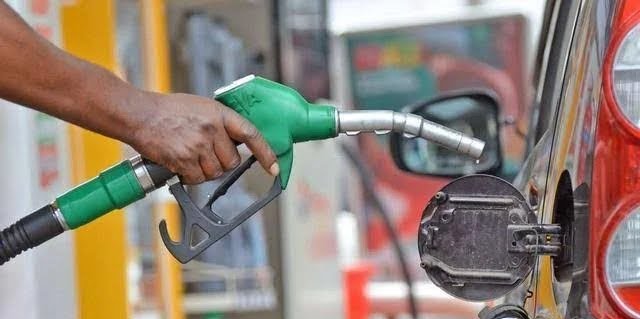
The price adjustments have already been reflected at several filling stations in Abuja, where motorists are paying more for petrol.
Ukadike also questioned the continued importation of petrol at higher prices despite the availability of locally refined products.
He argued that greater support for domestic refining could help stabilise petrol prices, reduce dependence on imports and ease pressure on Nigeria’s foreign exchange market.

