



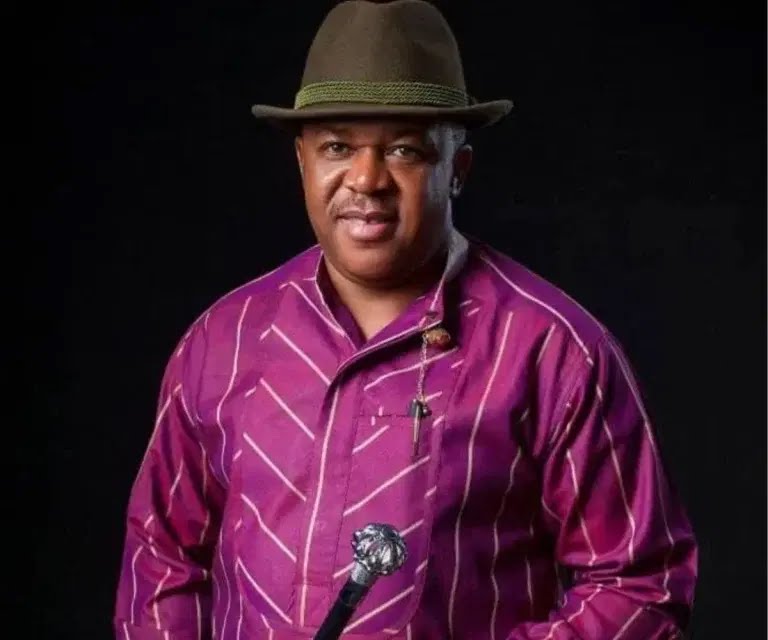
Veteran Nollywood actor Francis Duru has stirred debate over ethnic representation and influence in Nigeria’s film industry, arguing that the Yoruba community has become more dominant because of its ability to organise, support its members and promote its cultural identity.
Duru made the remarks during a recent interview on Gbam, aired on the Yan Content Factory YouTube channel on Friday.
While acknowledging the contributions of Yoruba pioneers such as Herbert Ogunde to Nigerian theatre and performance arts in the 1950s, the actor distinguished that era from the emergence of modern Nollywood.
According to Duru, Igbo entrepreneurs, particularly traders, played a major role in developing Nigeria’s home-video industry during the 1990s and early 2000s, a period he said laid much of the foundation for the Nollywood industry known internationally today.
However, he argued that the Yoruba community has since been more successful in collectively promoting its people, creating opportunities and protecting its cultural interests.
“The Yorubas epitomise the saying, ‘Charity begins at home.’ We need to learn from them. If you don’t protect and project your own, who will do it?” he said.
Duru pointed to the growing presence of Yoruba stories and filmmakers on international streaming platforms such as Netflix, contrasting it with what he described as the limited visibility of Igbo heritage.
“We [Igbos] created Nollywood, but if you go to Netflix today, you hardly see one movie that speaks of Igbo heritage. But the Yorubas, on the other hand, created opportunities for themselves and utilised them,” he stated.
The actor attributed the decline in Igbo influence partly to what he described as an individualistic mindset among some members of the community.
“Igbos failed to learn because of their individualistic mentality. You think you are the big man, so you are self-centred. But you forget that a time will come when you need to be expansive,” he said.
Duru also expressed concern about the portrayal of Igbo history and culture by filmmakers from outside the community.
He cited examples of Yoruba filmmakers taking on Igbo-themed stories and argued that this could sometimes result in inaccurate representations of Igbo identity.
“We have great writers who are now writing for the Yorubas. You even see the Yorubas crossing over to write Igbo stories like Ahamefuna and making a mess of who we are,” he said.
Despite his criticism, Duru stressed that his comments were not intended as an attack on Yoruba filmmakers. Instead, he urged Igbos to adopt what he sees as the Yoruba community’s approach to supporting its own people and culture.
“Don’t get angry with them. These are people who saw their own and protected their own. What happened to you?” he asked.
He also questioned why Nollywood has produced relatively few major films documenting the lives and achievements of prominent Igbo personalities and historical figures.
“Igbos have many great men in Nigeria. When was the last time you saw the epic of one of these great men?” Duru asked.
His remarks have since generated discussions about ethnic representation, cultural ownership, collective investment and the changing balance of influence within Nigeria’s entertainment industry.

