




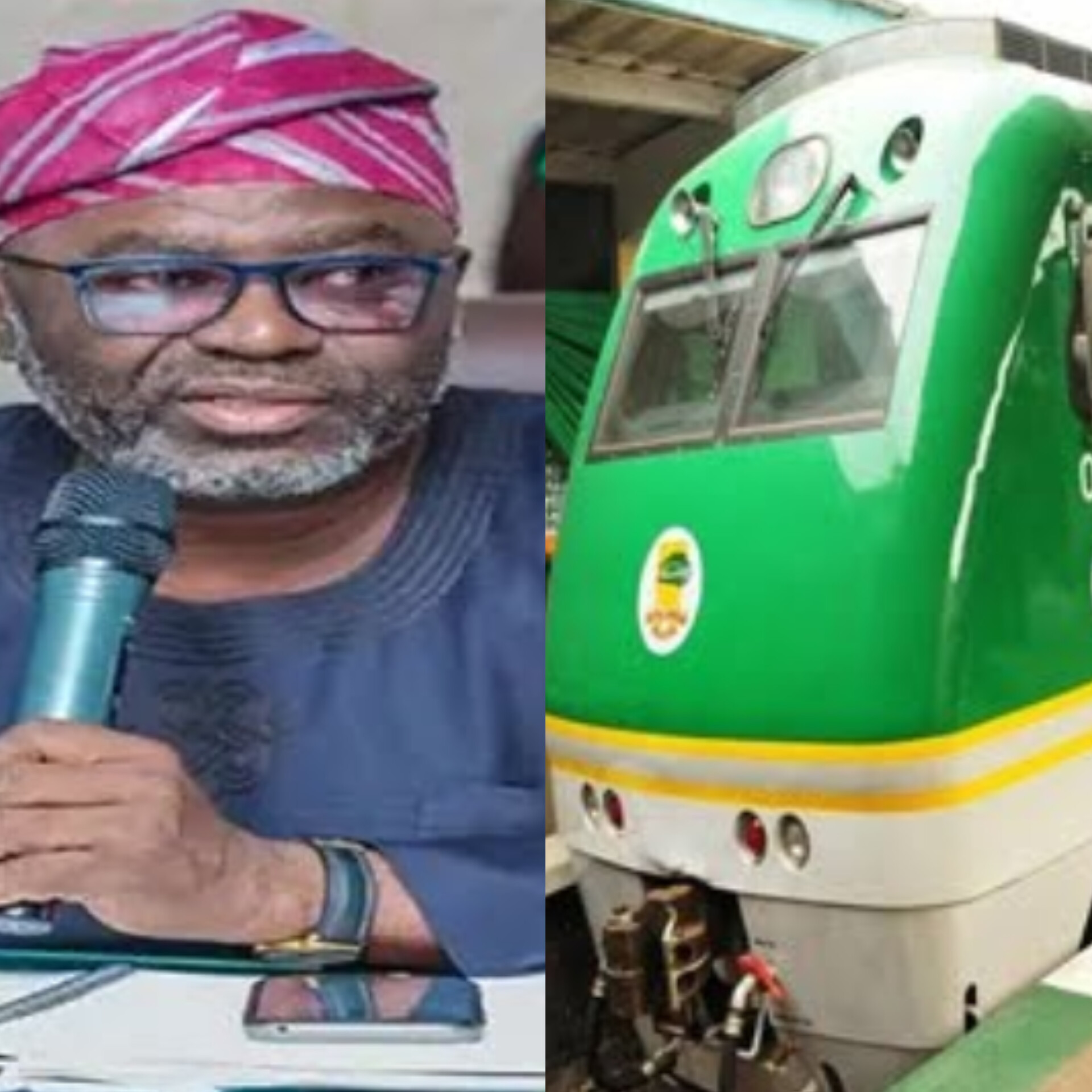
The South West Development Commission, SWDC, has obtained a provisional rail operating and track access licence from the Nigerian Railway Corporation, NRC, allowing it to run passenger and freight rail services across existing railway corridors in the South-West region.
Drivetvnews gathered that the announcement was made in Ibadan by the Managing Director and Chief Executive Officer of the commission, Charles Akinola, who described the development as a major milestone in the region’s transportation and economic plans.
According to Akinola, the licence does not permit the construction of new rail lines but authorises the commission to operate services on existing narrow and standard gauge rail networks linking major economic and industrial centres across Lagos, Ogun, Oyo, Osun, Ondo and Ekiti states.
He explained that the initiative falls under the South-West Rail, Agro-Industrial and Logistics Platform, a regional project designed to improve logistics, strengthen mobility, support agro-industrial growth and drive economic expansion across the region.
Akinola said the project would help address challenges such as high transportation costs, traffic congestion and supply chain inefficiencies currently affecting businesses in the South-West.
He added that the rail system would provide manufacturers, farmers, exporters and logistics operators with a more dependable alternative to road transportation, while also improving connections between seaports and commercial hubs.
The SWDC boss noted that the initiative is expected to reduce logistics costs, improve freight movement, enhance agricultural distribution, support export activities and create employment opportunities across several sectors.
He also disclosed that the implementation of the project would involve collaboration with state governments, private investors, logistics firms and international infrastructure partners.
Akinola further revealed that the rail initiative is part of the commission’s broader economic integration agenda, which also includes the recently launched TransComs programme aimed at transforming rural communities into productive economic hubs through agriculture, housing, enterprise development and youth empowerment.

