



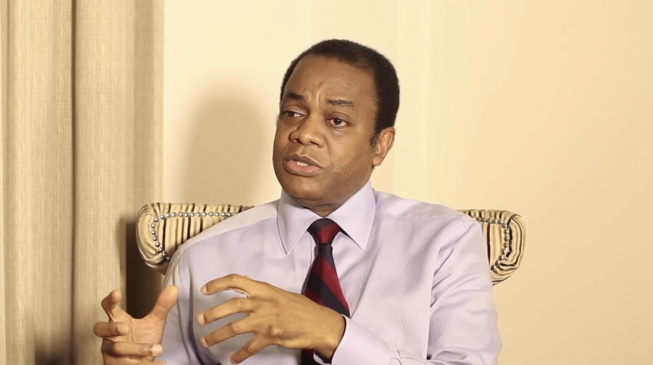
Former Cross River State Governor and Peoples Redemption Party presidential candidate, Donald Duke, has argued that Nigerians were economically better off in 1999 than they are today.
Duke made the remarks during an interview on the Policy Without Politics podcast, a clip of which circulated on Sunday.
Nigeria returned to democratic rule in 1999 after years of military administration, with former President Olusegun Obasanjo taking office following the transition from military rule.
However, Duke questioned the impact of the country’s 26 years of uninterrupted constitutional democracy, arguing that living conditions had worsened despite population growth and larger budget figures.
According to him, Nigeria’s democratic system has failed to translate into meaningful economic progress for ordinary citizens.
“We’re really not in a democracy. It’s a facade. And with each cycle, we get poorer,” Duke said.
He maintained that Nigerians had greater purchasing power and lived in a more affordable economy in 1999 than they do in 2026.
Duke also compared Nigeria’s current economic position with that of the early 1980s, citing the size of the national budget and population at the time.
He said Nigeria’s annual budget during the administration of former President Shehu Shagari averaged about $25 billion when the population was approximately 70 million.
According to him, Nigeria’s population has now grown to more than 200 million, while the country’s budget, when measured in dollar terms, remains around the same level.
Duke argued that the naira’s significant depreciation had created the impression of economic growth because government budgets are now expressed in trillions of naira.
He noted that the exchange rate was approximately ₦1 to $1 in the past, compared with about ₦1,400 to the dollar today, arguing that the difference showed the extent of the currency’s decline.
The PRP candidate also linked Nigeria’s security challenges, including insurgency, banditry and kidnapping, to economic hardship.
He said the primary responsibility of government should be to create a safe and stable environment where citizens can work, earn incomes and contribute productively to the economy.
Duke further argued that employment and productivity should be among the key indicators used to measure the strength of Nigeria’s economy, rather than focusing mainly on foreign reserves.
He urged policymakers to pay greater attention to the number of Nigerians who are economically productive and able to earn a decent living.

