



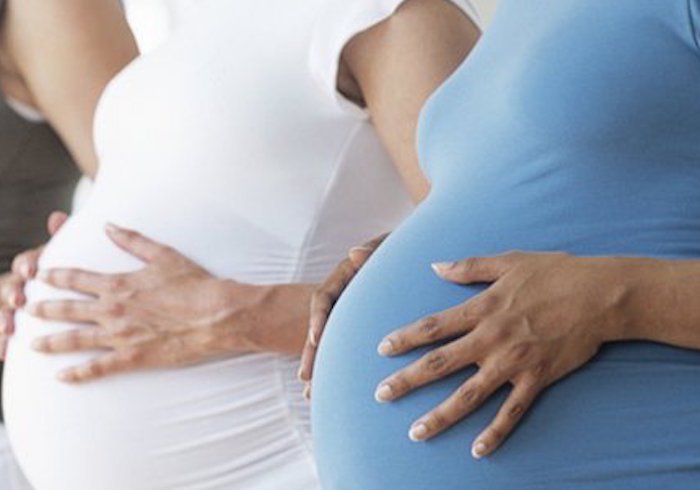
The United Nations Climate Change Executive Secretary, Simon Stiell, has warned that rising global temperatures could pose serious risks to pregnant women, newborns and maternal healthcare systems.
Stiell raised the concern on Monday at the Birthright event in Suva, Fiji, saying extreme heat was increasingly being associated with pregnancy complications, premature births, stillbirths and low birth weight.
He described pregnancy and childbirth as an emerging pressure point in the global climate crisis, warning that the consequences could be severe if urgent action is not taken.
His remarks followed a Wellcome-commissioned survey of maternal health professionals across five countries and five continents, which highlighted growing concerns over the effects of extreme heat on mothers, unborn babies and newborns.
According to the survey, 73 per cent of healthcare professionals said they had seen an increase in heat-related cases or complications over the past five years.
The survey also found that 81 per cent of respondents were concerned or very concerned that extreme heat would increasingly threaten maternal, fetal and newborn health without stronger interventions.
Nearly all respondents, 98 per cent, said they had treated a pregnant woman whose health they believed had been affected by extreme heat, while 99 per cent said they had cared for a baby affected by heat.
Stiell said the figures reflected real challenges faced by families and healthcare workers, particularly people living in poorly ventilated homes, working outdoors or travelling long distances to healthcare facilities without reliable electricity, water or cooling systems.
He warned that climate change could further widen existing inequalities in access to safe pregnancy and childbirth, especially in vulnerable communities and countries that have contributed relatively little to global warming.
The UN official called for maternal and newborn healthcare to be incorporated into climate adaptation and heat-health plans.
He identified three key priorities: integrating pregnancy and newborn care into climate policies, translating scientific evidence into practical protection and improving data collection to identify risks and assess effective interventions.
Among the measures he advocated are climate-resilient healthcare facilities, reliable water and electricity supplies, adequately trained health workers, heat alerts and healthcare systems prepared for extreme heat emergencies.
Stiell also called for stronger data on communities most exposed to climate-related maternal and newborn health risks and where financing and technology are most urgently required.
He urged countries to honour commitments to increase adaptation finance and work towards mobilising $1.3tn annually for developing countries to strengthen resilience and support cleaner, affordable and reliable energy systems.
Stiell welcomed the Birthright Campaign by Wellcome and the World Health Organisation’s work on maternal health and climate change, saying such initiatives could help close gaps in protection.
He urged governments and other stakeholders to act before the effects of climate change become deeply entrenched in healthcare systems and communities.

