



Pope Leo XIV has urged European nations to help reverse what he described as the growing use of “lies and deceit” in relations between countries.
The Pope made the remarks on Monday in Metz, France, where he concluded a four-day visit to the country. He did not refer to any world leader by name.
Leo said international relations were becoming increasingly uncivilised, with respect for agreements and keeping one’s word being undermined.
According to him, Europe could help break the cycle by promoting respect for others and strengthening cooperation among nations.
The pontiff also called for dialogue and compromise to help end the war in Ukraine, urging leaders to show courage during negotiations and make concessions in the interest of peace.
“War has returned, even to Europe,” he said, describing the conflict as a tragedy that continues to claim civilian lives.
Leo further appealed for greater European unity amid the growing influence of nationalist movements across the continent.
He also addressed migration, urging European countries to welcome and integrate people fleeing war and persecution. He described the movement of people across borders as an opportunity for different cultures to encounter one another and rediscover shared values.
French President Emmanuel Macron, who appeared alongside the Pope, also called for Europe to resist nationalism and strengthen its role in promoting peace, democracy and independence.
Metz has particular significance for European integration because Robert Schuman, regarded as one of the founding figures of the European Union, is buried near the city.
Leo has repeatedly called for peace during his papacy, a position partly influenced by his family history. His father, Louis Marius Prevost, served in the US Navy and participated in the D-Day landings in Normandy in 1944.
The Pope’s visit generated considerable interest in Metz, with local hotels reportedly fully booked and restaurants experiencing increased reservations.
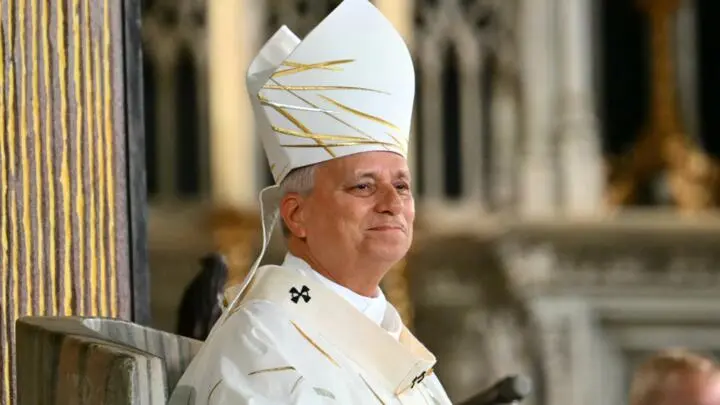
Archbishop of Metz Philippe Ballot said the visit held strong symbolic importance for the city, which has been shaped by decades of conflict, including two world wars.

