




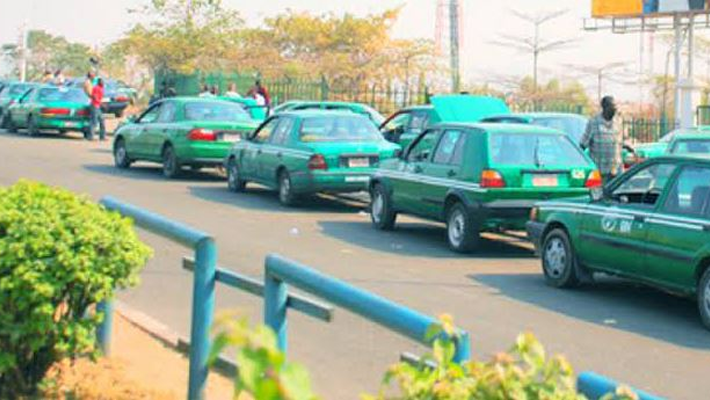
Motorists and commuters in the Federal Capital Territory have expressed frustration over the failure of some filling stations to reduce petrol prices despite the latest reduction announced by Dangote Refinery.
Drivetvnews gathered that The refinery on Monday cut its gantry price by ₦25 per litre, bringing it down to ₦1,325 per litre.
The reduction followed a sharp increase in petrol prices over the past two weeks, with pump prices rising to between ₦1,395 and ₦1,450 per litre in Abuja and other parts of the country.
Checks in Abuja on Tuesday showed that several filling stations had yet to reflect the reduction. MRS outlets were selling at ₦1,395 per litre, while NIPCO and Mobil outlets sold at ₦1,430. Conoil sold at ₦1,410, while Total outlets sold at ₦1,430 per litre.
Some motorists said the high cost of petrol was adding to the financial pressure caused by rising food, transportation and household expenses.
A motorist in Gwarinpa, Olusegun Shokoya, said he bought petrol at ₦1,430 per litre and appealed to the Federal Government to intervene and help stabilise prices.
Another motorist, Mohamed Hamzat, who purchased petrol at the same price in Dutse, said rising living costs were making it difficult for some families to meet their basic needs.
Commuter Shotayo Aliyu also expressed concern that high petrol prices would eventually increase transportation costs and the prices of food and other goods, as traders pass higher logistics expenses to consumers.
Meanwhile, National President of the Petroleum Products Retail Outlets Owners Association of Nigeria, Billy Gillis-Harry, said stakeholders remained open to the possibility of further reductions in petrol prices.
The National Publicity Secretary of the Independent Petroleum Marketers Association of Nigeria, Chinedu Ukadike, attributed the slow adjustment by some marketers to fluctuations in international crude oil prices.
Ukadike explained that some independent marketers had purchased their existing stock before the latest decline in crude prices and would therefore need time to manage potential losses.
He said the situation reflected the realities of Nigeria’s deregulated petroleum market, where competition and market forces influence pump prices.
Motorists and commuters, however, continue to call for lower petrol prices, saying any reduction would help ease the pressure on household expenses.

