




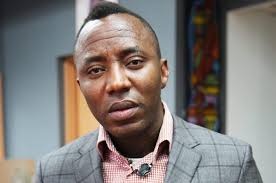
The Yoruba socio-cultural organisation, Ìgbìnmó Májékóbájé Ilé-Yorùbá, has announced plans to petition international bodies and foreign governments over the conduct of Justice M.G. Umar in the ongoing legal proceedings involving activist and African Action Congress (AAC) leader Omoyele Sowore.
In a statement jointly signed by the group’s Convener, Olusola Badero, and Home Director, Princess Balogun, the organisation accused the Federal High Court judge of judicial misconduct and bias. It alleged that several of his decisions in the case have raised concerns about fairness and adherence to legal principles.
The group stated that it intends to approach the United States, the United Kingdom, Canada, Saudi Arabia, and the United Nations, requesting visa restrictions and other measures against the judge and individuals it believes were involved in actions that undermined due process.
According to the organisation, the National Judicial Council has yet to adequately address complaints previously submitted regarding Justice Umar’s handling of cases, particularly the criminal proceedings instituted against Sowore by the Department of State Services.
The group claimed that the judge’s actions have weakened public trust in the judiciary and questioned his neutrality in the case. It also alleged that Sowore had consistently appeared for court proceedings but was subjected to decisions it described as unfair.
Defending Sowore’s record as an activist, the organisation noted that he has spent decades advocating for democracy, accountability, and the rights of ordinary Nigerians. It argued that his contributions to democratic development should not be overlooked.
The group further criticised reports suggesting that a legal practitioner was asked to kneel before the judge in court, describing such conduct as inappropriate and damaging to the image of the judicial system.
Calling for immediate intervention, the organisation urged the National Judicial Council to thoroughly investigate the allegations and take disciplinary action where necessary. It warned that continued inaction could further erode public confidence in Nigeria’s justice system.
The group maintained that accountability, transparency, and impartiality remain essential for preserving the credibility and integrity of the judiciary.

